Compare Local Contractors for Quality Carpet Repair Services
Compare local contractors to define project scope, verify experience, and set clear expectations for effective carpet repair outcomes.
Carpet repair services offered by local contractors typically cover a range of common issues, including patching damaged areas, seam repairs, stretching to eliminate wrinkles, and addressing burns or stains. These professionals often handle both minor fixes and more extensive restoration work to help maintain the appearance and functionality of carpets in residential or commercial spaces. Understanding the scope of what a contractor can provide is important for property owners to ensure that the specific repairs needed will be addressed effectively, whether it involves replacing a small section or performing more complex seam and stretching work.
Defining the scope of a carpet repair project is a crucial step in working with local service providers. Clear communication about the extent of damage, the desired outcome, and any particular concerns helps set realistic expectations and prevents misunderstandings. Property owners should consider documenting the damage through photos or detailed descriptions and discussing these with potential contractors. Having a written outline of the work to be performed ensures that both parties agree on what will be done, which can help avoid scope creep and ensure that the repair meets the property owner’s needs.
When comparing local contractors for carpet repair work, it’s helpful to evaluate their experience with similar projects and their familiarity with different carpet types and repair techniques. Property owners can ask about the types of repairs each contractor has performed, request references or examples of past work, and verify their understanding of the scope outlined. Reviewing credentials, seeking recommendations, and obtaining detailed written proposals can assist in making an informed decision. By taking these steps, property owners can find service providers who are capable of delivering quality repairs that align with their expectations.
Compare local contractors by outlining project priorities, verifying experience, and setting clear expectations in writing.
- Compare Contractor Experience - Review the background and expertise of local contractors to ensure they are qualified for carpet repair projects.
- Define Project Scope Clearly - Outline the specific repair needs and expectations in writing to prevent misunderstandings.
- Verify Service Provider Credentials - Check references or past work to assess the reliability and skill of potential contractors.
- Request Written Agreements - Ensure all project details, including scope and responsibilities, are documented before work begins.
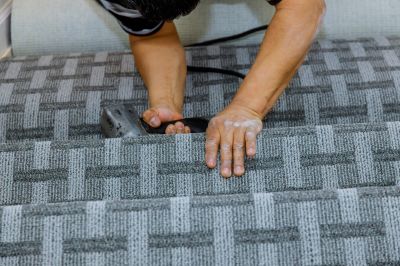
Clearly describe your carpet repair project to help compare local contractors, verify experience, and set expectations in writing.
- Verify the contractor’s experience with carpet repair projects similar to the scope needed. - Ensuring familiarity with the specific repair techniques can help achieve quality results.
- Compare multiple service providers to assess their expertise and reputation in carpet repair. - Gathering details about their previous work can assist in making an informed decision.
- Define the repair scope clearly in writing to prevent misunderstandings and set realistic expectations. - Clear documentation helps ensure all parties agree on the work to be performed.
- Ask service providers about their process for handling different types of carpet damage, such as burns, tears, or stains. - Understanding their approach can help determine their suitability for specific repair needs.
- Check references or reviews from past clients to assess the reliability and quality of the service providers. - Feedback from previous customers can offer insights into their professionalism and craftsmanship.
- Ensure the repair scope and expectations are documented in a detailed written agreement before work begins. - Written agreements help protect both parties and clarify project details.
Compare local contractors’ experience and clarify project scope to ensure expectations are clearly set.




Use clear, consistent criteria to compare local contractors’ scope, experience, and written expectations for carpet repairs.
- Scope Definition - Clearly outline the specific carpet repair services needed, including areas and types of damage.
- Experience Verification - Confirm that local contractors have relevant experience in performing similar carpet repairs.
- Material and Method Clarification - Specify the types of materials and repair techniques that will be used to ensure compatibility.
- Work Expectations - Establish detailed descriptions of the repair process and expected outcomes in writing.
- Service Provider Comparison - Gather information about multiple local service providers to compare their scope of work and approach.
When comparing contractors for carpet repair services, it is important to evaluate their experience with similar projects. Homeowners should inquire about how long a contractor has been performing carpet repairs and whether they have handled repairs comparable to the specific issues present, such as burns, tears, or water damage. Contractors with a proven track record in addressing a variety of carpet problems are more likely to understand the nuances of different materials and repair techniques, leading to a more effective and durable outcome.
A clear, written scope of work is essential when assessing potential service providers. Homeowners should seek detailed descriptions of what the repair will entail, including the extent of work, materials to be used, and any preparation or post-repair steps. Having this information documented helps set expectations and ensures that both parties agree on what will be delivered. It also provides a reference point should questions or concerns arise during or after the repair process.
Verification basics play a key role in choosing a reliable contractor. While licensing or certification may not be emphasized, homeowners should verify that the contractor has a verifiable reputation for quality work through references, reviews, or portfolios of completed projects. Asking for examples of past repairs similar to the current needs can help gauge the contractor’s expertise. Additionally, confirming that the contractor is properly insured or has appropriate coverage can provide peace of mind, ensuring that any accidental damages or issues are appropriately handled.
Evaluating options without focusing solely on prices involves examining how well each contractor’s services align with the project’s scope and your expectations. Homeowners should consider the level of detail in the proposal, the professionalism of communication, and the clarity of the scope of work. Comparing how each service provider approaches the repair process, their experience with similar projects, and their ability to provide thorough, written descriptions can help identify the most suitable contractor. This approach ensures that the selected professional is capable of delivering quality work that meets the specific needs of the carpet repair project.
Ask for written descriptions of the scope of work to ensure clear understanding and consistent expectations with service providers.
- Experience and Expertise - What specific experience do the service providers have with carpet repair projects similar to yours?
- Scope of Services - How do the contractors define the scope of work to ensure all necessary repair tasks are included?
- Comparison of Qualifications - What qualifications or background should be verified when evaluating local contractors for carpet repair?
- Work Guarantee and Warranties - Are the scope and expectations for repairs documented in writing to prevent misunderstandings?
- Service Provider Credentials - How can you verify the credibility and reputation of local contractors before hiring?
How can I compare different contractors for carpet repair? To compare contractors, review their experience, services offered, and customer feedback. It’s helpful to ask for details about their previous work and verify their familiarity with the specific repair needs of your carpet.
What should I clarify when defining the scope of carpet repair work? Clearly outline the type of damage, the areas involved, and the desired outcome. Providing detailed information helps contractors understand the project and set accurate expectations.
How can I verify a contractor’s experience with carpet repair? Ask about their previous projects, request references if available, and review any portfolio or examples of similar work they have completed to ensure they have relevant experience.
Why is it important to get the scope of work in writing? Having a written agreement helps ensure all parties have a clear understanding of the work to be done, responsibilities, and expectations, reducing potential misunderstandings.
What questions should I ask contractors about their repair methods? Inquire about the techniques and materials they plan to use, and how they approach different types of carpet damage to ensure their methods align with your needs.
How can I ensure the contractor understands my specific carpet repair needs? Communicate your concerns clearly, provide detailed descriptions of the damage, and confirm that the contractor has a plan to address your particular situation before work begins.
By exploring the options available through local contractors, visitors can gain a clearer understanding of how to define the scope of a carpet repair project, verify experience, and set expectations in writing. Comparing multiple service providers helps ensure that the chosen contractor aligns with specific needs and preferences. Utilizing the quote form makes it simple to gather information and evaluate different local service providers efficiently.
Taking the time to compare local contractors for carpet repair services empowers individuals to make informed decisions based on their particular requirements. Using the provided quote form facilitates connecting with qualified service providers who can handle the job, helping to streamline the process of finding the right fit for the project.